24 hr
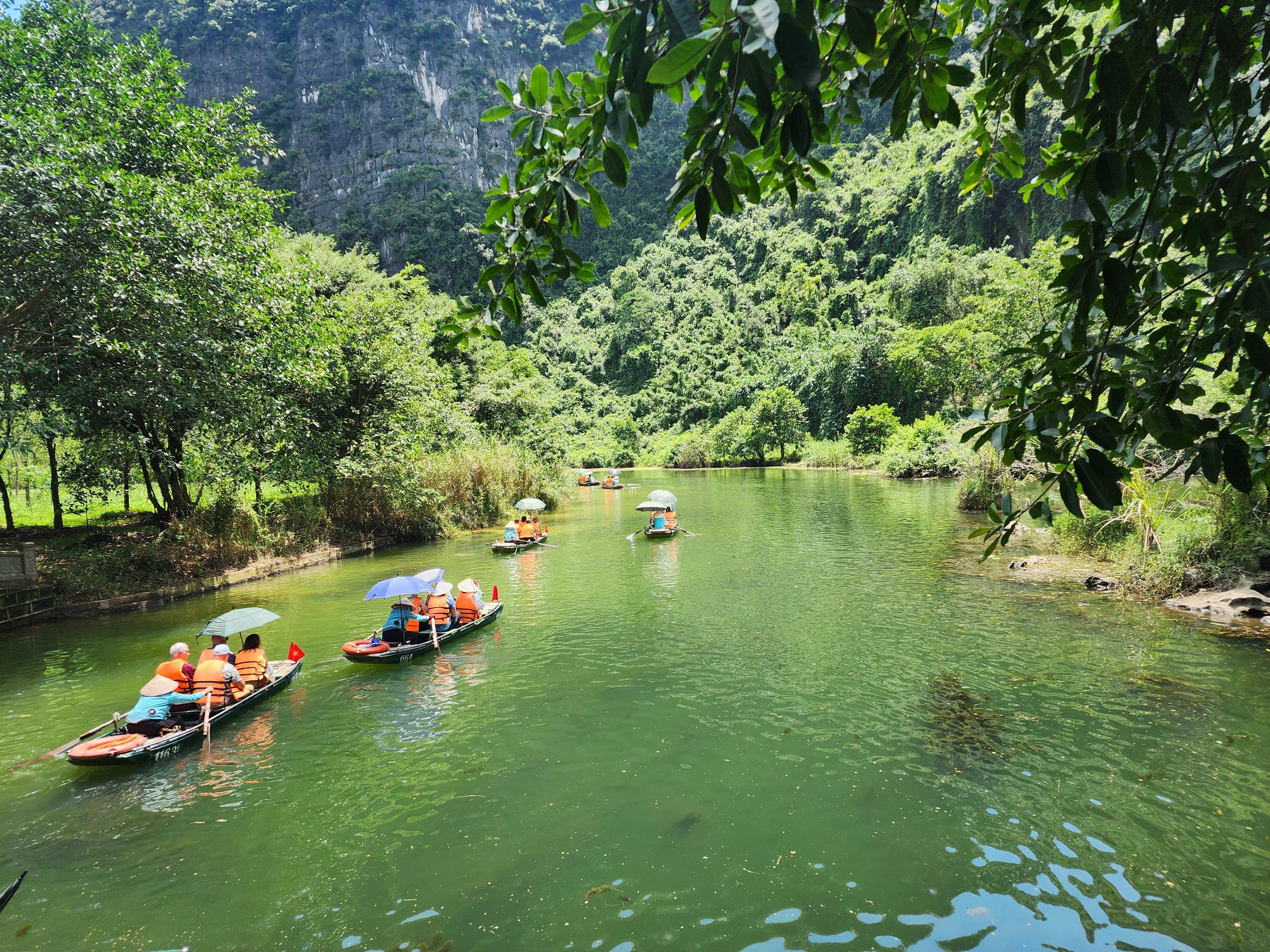
Ninh Binh Day Trip: Trang An Boat Tour & Mua Cave with Temple Visit
Journey through Vietnam's limestone wonderland with cave cruising, temple visits, and sweeping valley views
Reserve
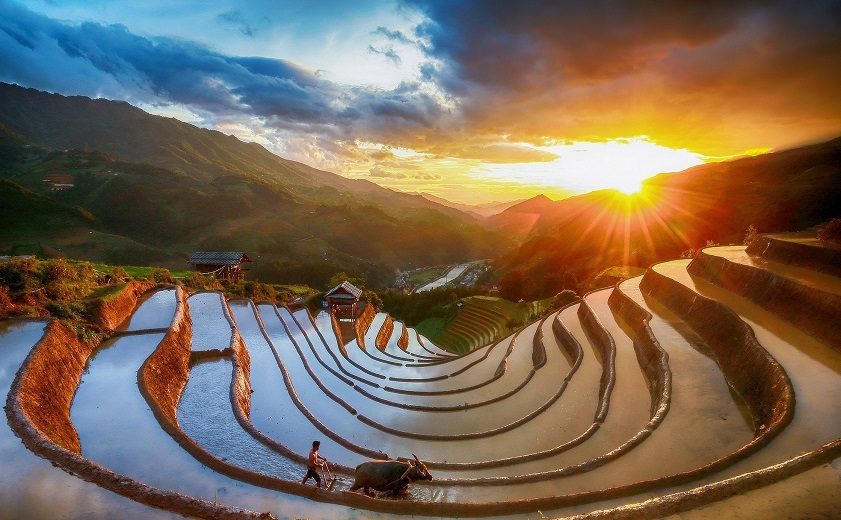
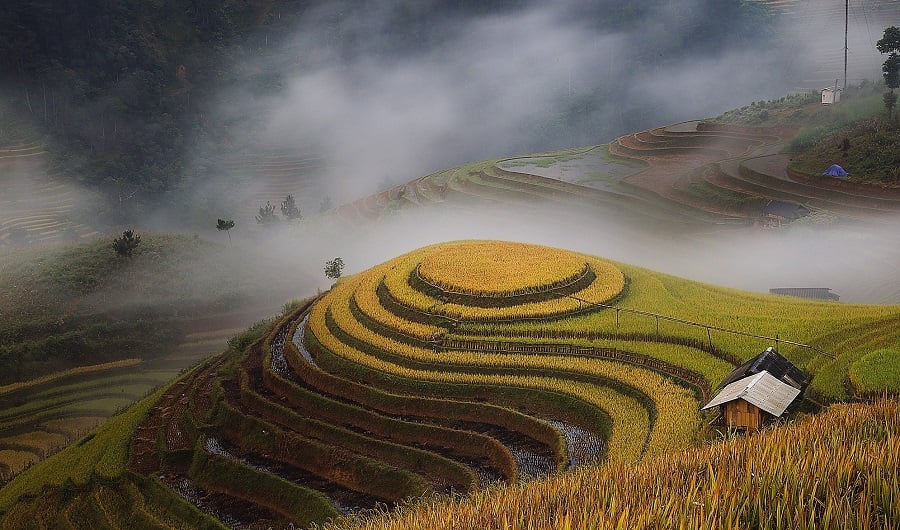
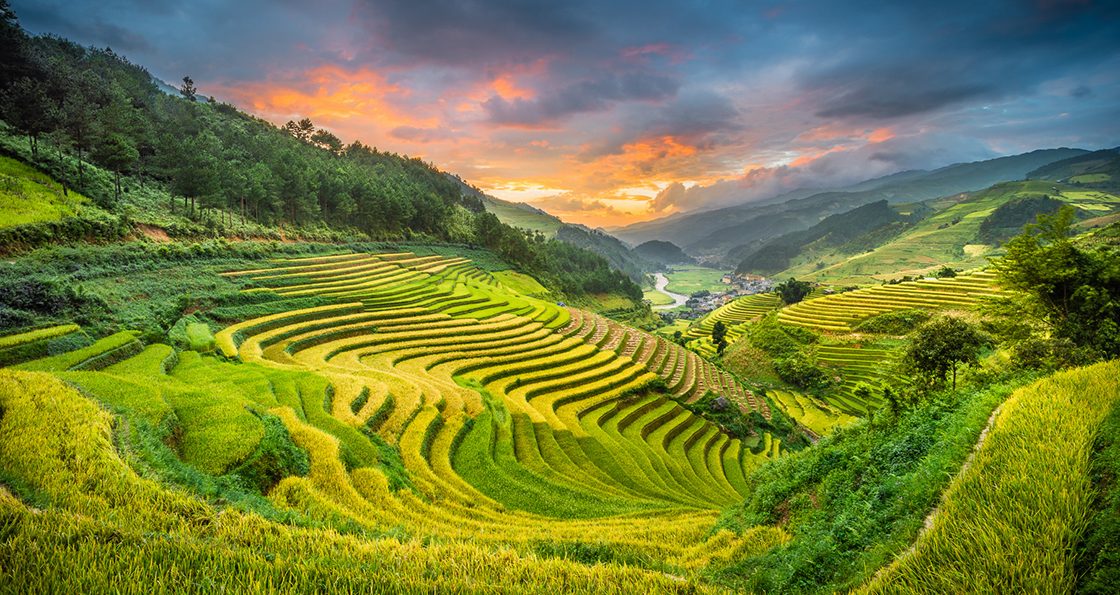
Golden harvests cascade across mountain slopes, where light bends through mist and rice fields glow
Hand-picked by our editors — only the best 8 multi-day tours from 42 reviewed
Verified partners for Mu Cang Chai Tour From Hanoi tours, free cancellation where available, and instant confirmation on every booking.
24 hr
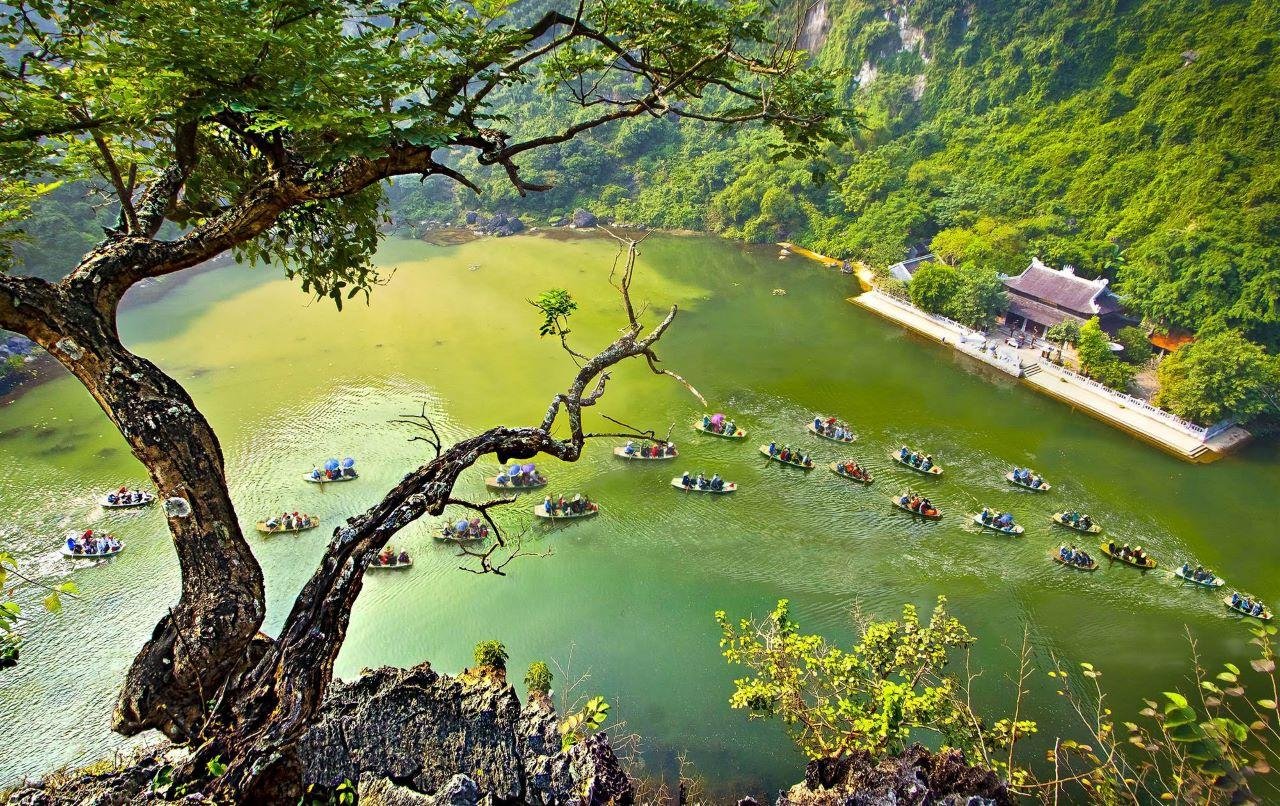
Journey through Vietnam's limestone wonderland with cave cruising, temple visits, and sweeping valley views
Reserve
24 hr
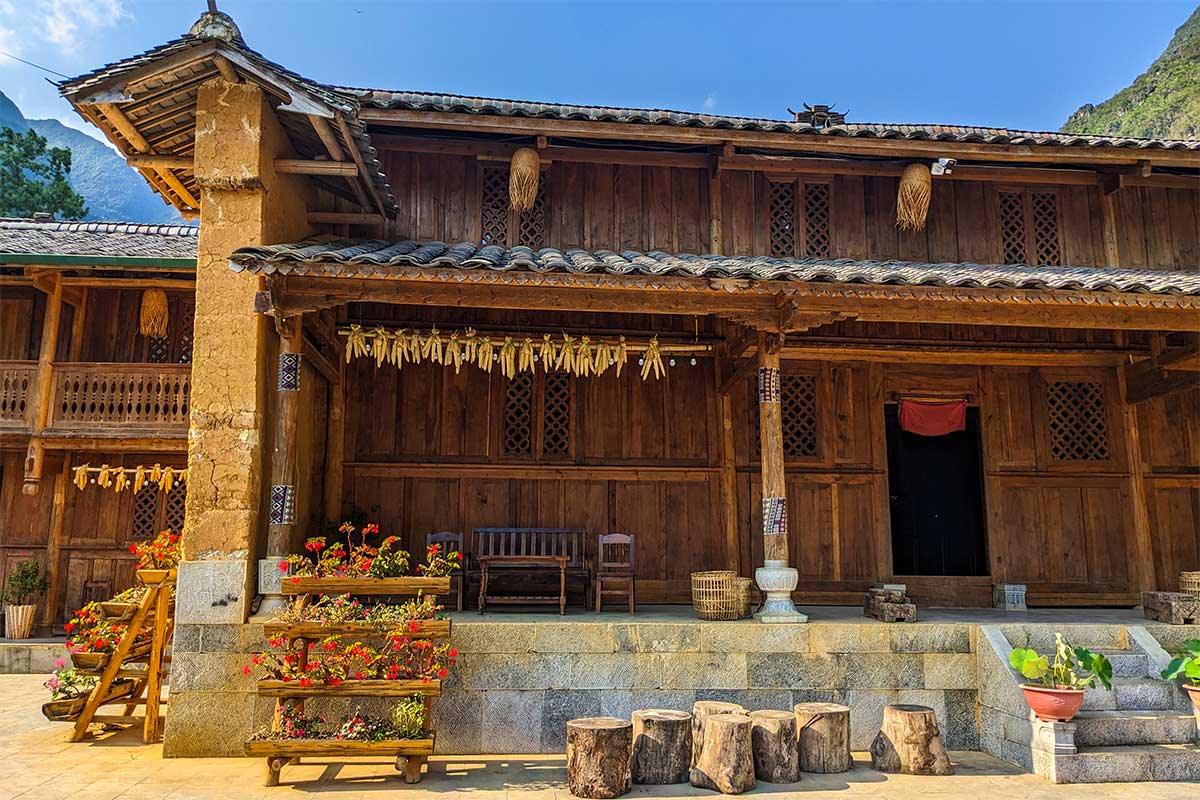
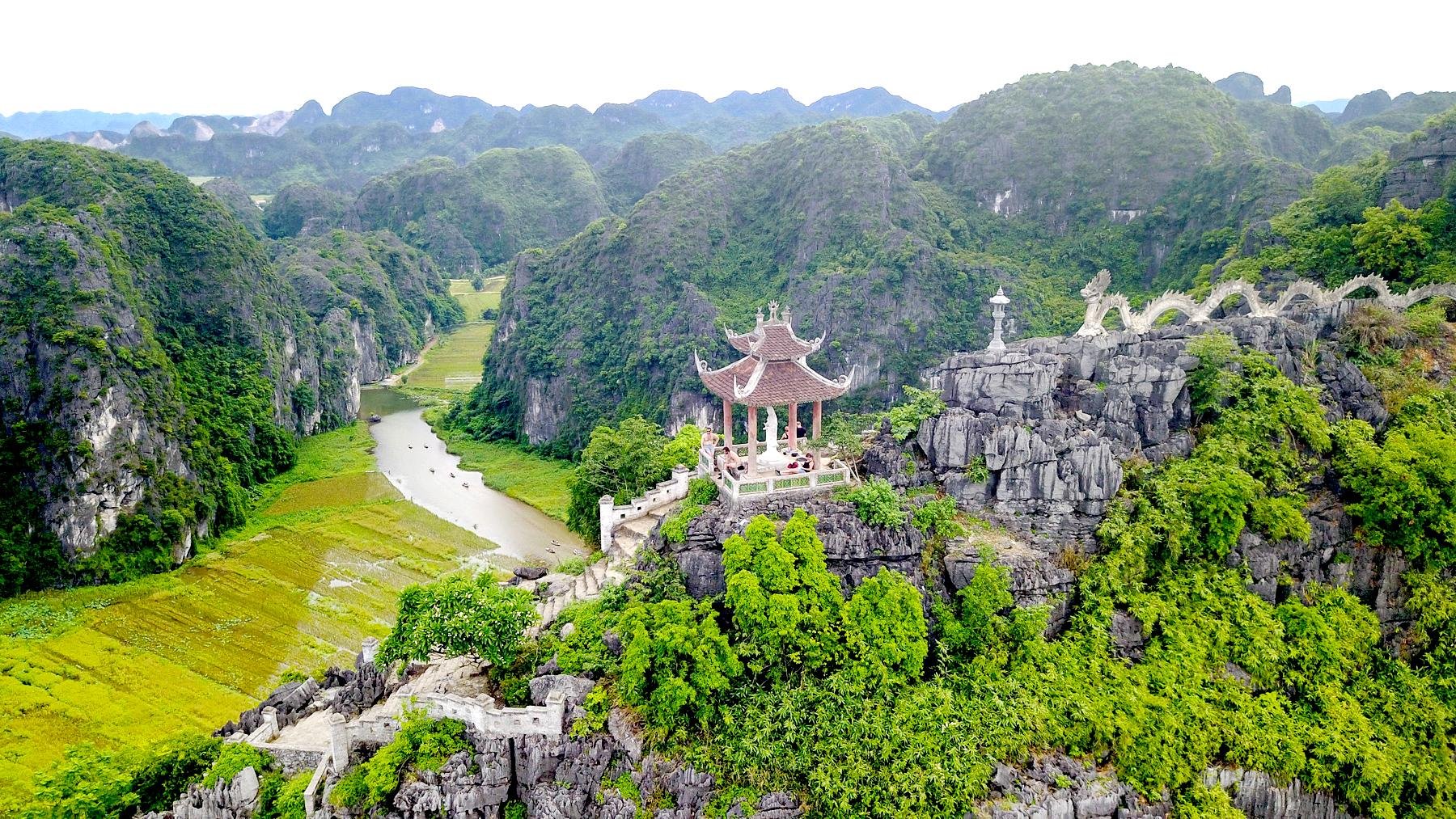
Journey through Vietnam's heritage landscapes with temple visits, sampan cruising, and a climb to stunning karst panoramas
Reserve
24 hr
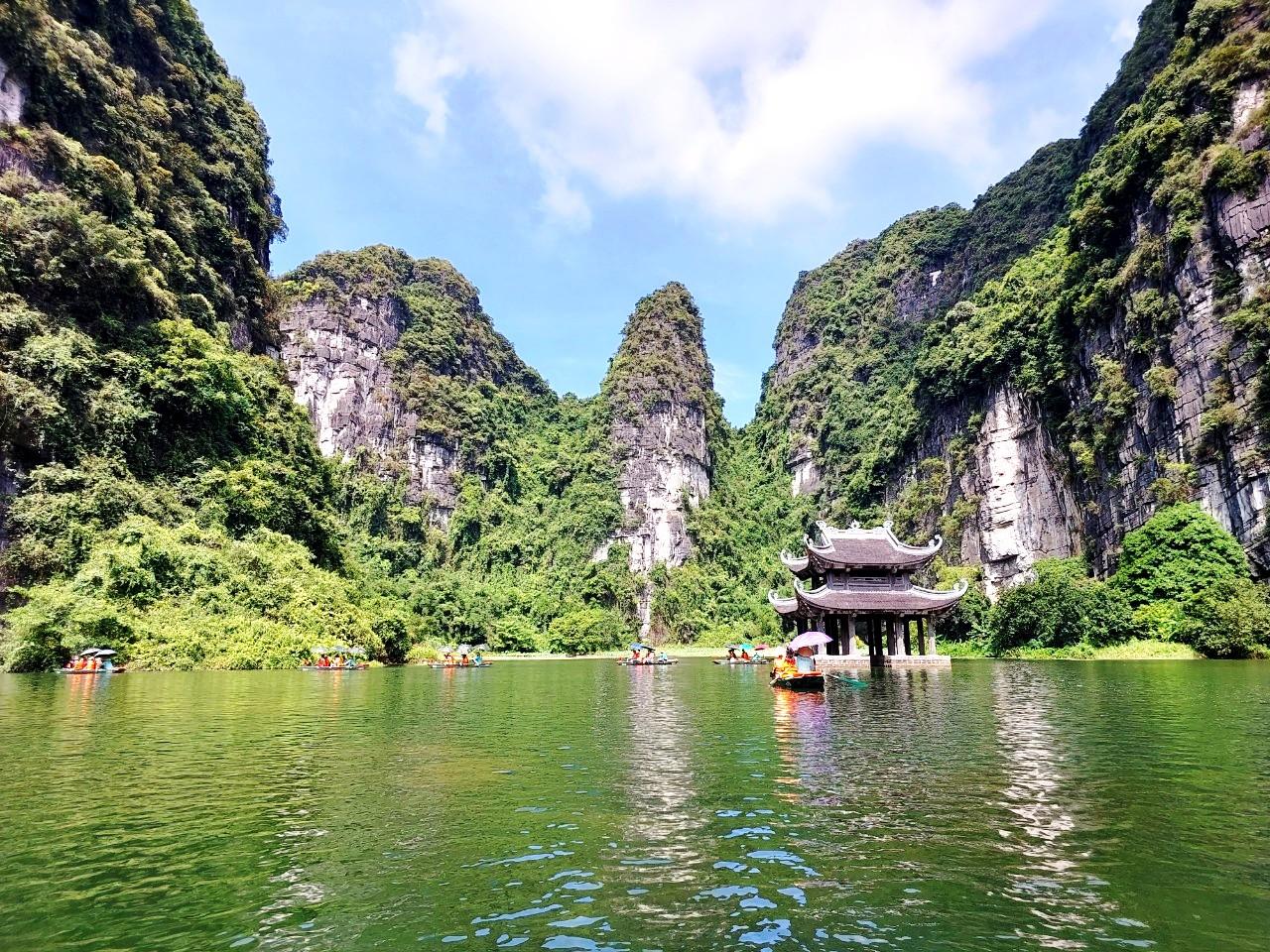
Journey through ancient capitals, limestone karsts, and emerald rice paddies on this full-day escape.
ReservePrices from verified partners. Availability updates in real time at checkout. Free cancellation policies apply where shown.
Every Mu Cang Chai Tour From Hanoi tour side-by-side — duration, what's included, how you redeem.
| Experience | Duration | Rating | Pickup | Skip-the-line | Guide | Small group | Price | |
|---|---|---|---|---|---|---|---|---|
|
Guided Experience Most popular
Ninh Binh Day Trip: Trang An Boat Tour & Mua Cave with Temple Visit
|
24 hr | ★ 4.8 | ✓ | ✓ | ✓ | ✓ | €40 | Book → |
|
Guided Experience
Ninh Binh Day Tour: Ancient Capital, Trang An Caves & Mua Cave Summit
|
24 hr | ★ 4.9 | ✓ | ✓ | ✓ | ✓ | €42 | Book → |
|
Guided Experience
Hoa Lu, Trang An & Mua Cave Day Tour from Hanoi
|
24 hr | ★ 4.8 | ✓ | ✓ | ✓ | ✓ | €44 | Book → |
All prices from verified partners. Availability and exact terms confirmed at checkout.
They complement each other; most visitors who choose a mu cang chai tour from hanoi find it more remote and rugged, whereas Sapa provides a polished mountain getaway. This comparison clarifies how these northern Vietnam landmarks differ in accessibility and atmosphere for your upcoming mu cang chai tour from hanoi tour.
| Feature | Top pick Mu Cang Chai | Sapa |
|---|---|---|
Accessibility from Hanoi |
7-8 hours by road | 5-6 hours by train or road |
Commercialization Level |
Low rural focus | High tourist infrastructure |
Terrain Intensity |
Steep mountain passes | Varied hiking paths |
Crowd Density |
Low seasonal visitors | High year-round tourism |
Authenticity of Experience |
Traditional Hmong villages | Mix of ethnic and commercial culture |
| See tickets → |
Verdict: Select Mu Cang Chai for raw landscapes and solitude, or pick Sapa if you require seamless travel logistics and diverse mu cang chai tour from hanoi tickets options for your stay.
Choose your ticket, select your date, and reserve in under two minutes. Secure checkout handled by our verified partner.
Instant confirmation by email, with a mobile voucher you can save offline. No printing, no queuing at a collection desk.
Arrive at the entrance, show your voucher on your phone, and walk in. Most tickets include priority or skip-the-line access.
Practical details for Mu Cang Chai Tour From Hanoi tickets straight from our verified partners — hours, access, rules, and how to get there.
La Pan Tan Commune
Standard meeting point for most local operators
Open in Google MapsPrivate hire vehicles are the most efficient way to access the terraces.
Buses run from My Dinh Station to Mu Cang Chai center.
Wear breathable, moisture-wicking clothing suitable for mountain trekking. Sturdy hiking shoes with good grip are essential for traversing the steep Mu Cang Chai Rice Terraces.
There are no lockers at the Mu Cang Chai Rice Terraces. Keep valuables on your person in a secure, water-resistant daypack during your mu cang chai tour from hanoi.
The best light occurs between 07:00 and 10:00. Please respect local farmers and their crops while capturing photos during your mu cang chai tour from hanoi.
The Mu Cang Chai Rice Terraces are located on steep, natural terrain and are not wheelchair accessible. Paths are mostly narrow earthen trails through agricultural fields.
Mobile reception can be intermittent in remote valleys. Download offline maps before beginning your mu cang chai tour from hanoi journey.
The site is open to families, but young children may find the steep trekking paths challenging. A private mu cang chai tour from hanoi often allows for a more flexible pace for family groups.
Limited food options exist near the main viewpoints. It is recommended to bring sufficient water and snacks for your mu cang chai tour from hanoi trip.
Pets are generally discouraged on the trekking trails due to active farming and livestock. Always keep pets on a leash if brought to the area.
The 20,000 VND conservation fee supports the maintenance of these unique agricultural landscapes. Always follow marked trails to minimize impact on the Mu Cang Chai Rice Terraces.
Best time to go, insider tips, nearby landmarks, and the cancellation fine print — flip through to skim what matters to you.
How crowds, weather, and events shift across the year.
April to May when fields are flooded for planting.
June to August features vibrant green landscapes and occasional rain.
September to mid-October is the golden harvest season.
November to March is quiet with cooler temperatures.
Small details that turn a good visit into a great one.
Local guides know the best photo spots and hidden paths. They can enhance your mu cang chai tour from hanoi experience significantly.
Visit in mid-September to see the gold color at its peak. This is the busiest time for a mu cang chai tour from hanoi.
Local vendors and terrace entrances may not have change for large bills. This is crucial for your mu cang chai tour from hanoi logistics.
Ask permission before photographing farmers at work. This simple gesture goes a long way during your mu cang chai tour from hanoi.
Mountain weather is unpredictable, so pack layers. This is essential for any mu cang chai tour from hanoi.
Non-bookable sights within a short walk — free to visit, easy to pair.
Iconic circular terrace formation at high altitude.
Flexible, no hidden fees.
Full refunds are typically available for any booked mu cang chai tour from hanoi if canceled 48 hours prior. The 20,000 VND conservation fee per person for access to scenic terrace areas is non-refundable.
Hand-picked options within walking distance — pick a district for vibe, or a specific hotel for convenience.
High-end lodge overlooking the rice fields.
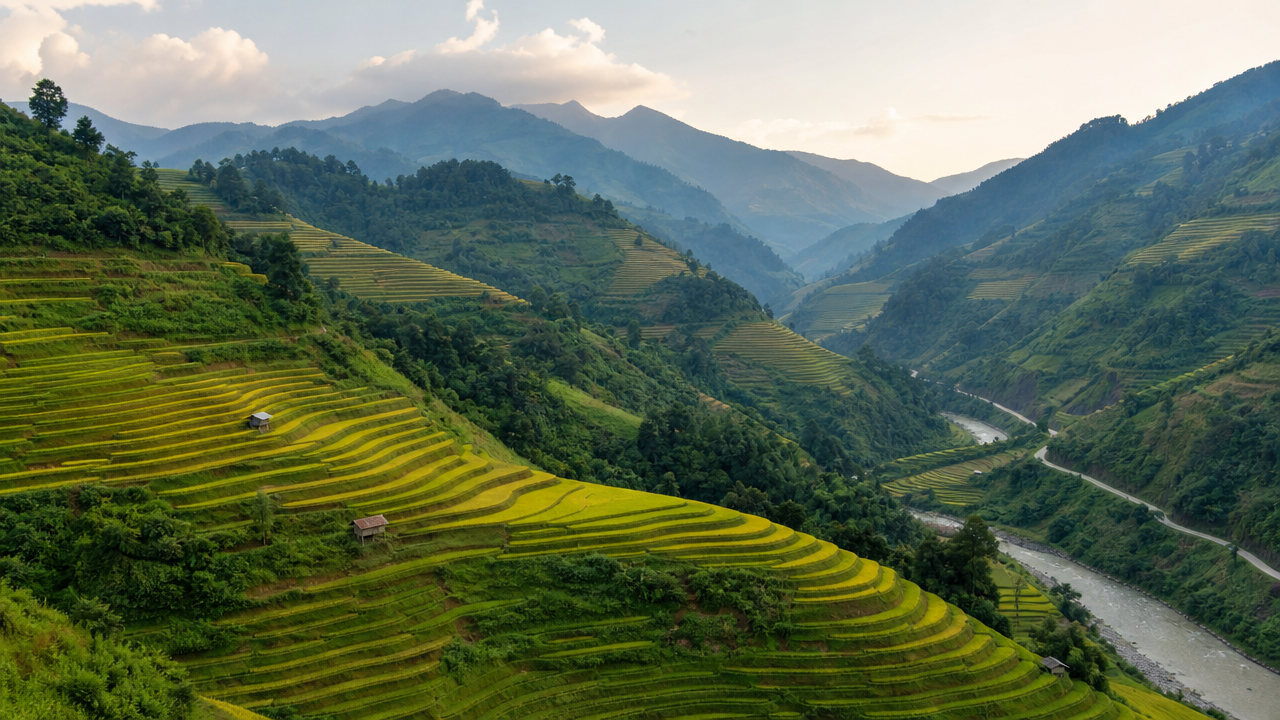
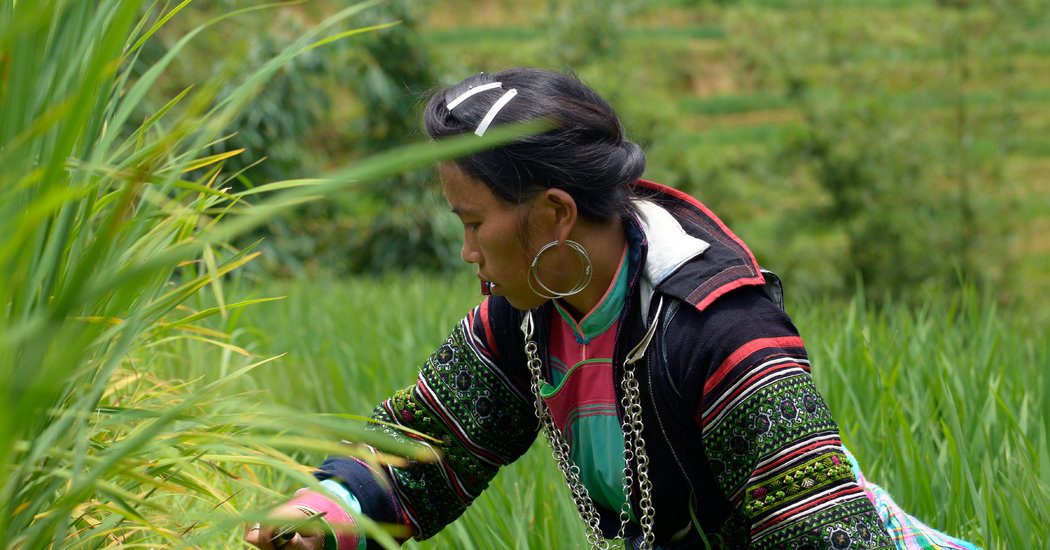
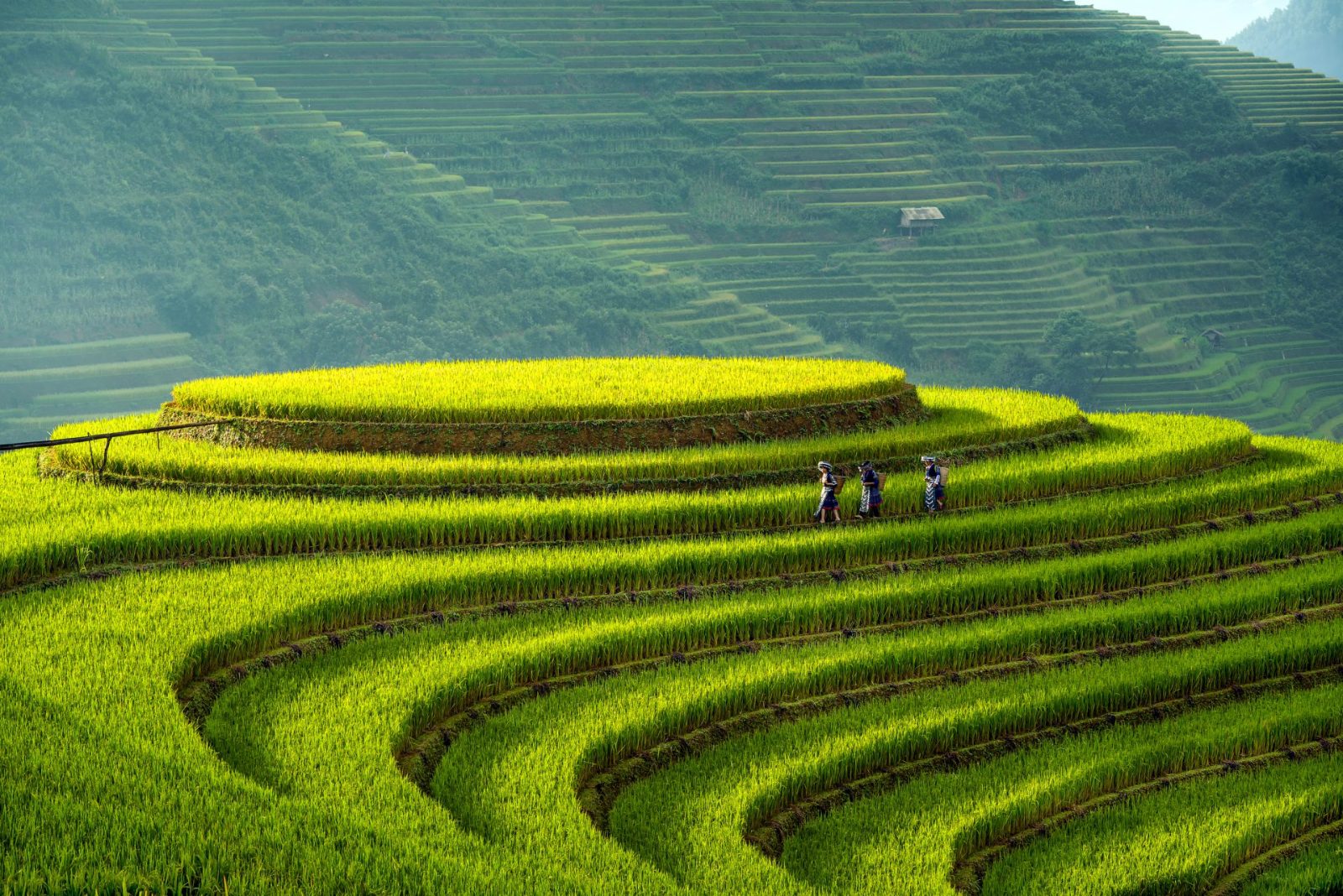
The terraced rice fields of Mu Cang Chai occupy 2,200 hectares of Yen Bai Province's mountainside, sculpted over three centuries by Hmong and Thai communities who arrived in the 18th century seeking arable land in the remote Hoang Lien Son range.
Each terrace follows natural contour lines, engineered without machinery to channel spring snowmelt from peaks exceeding 2,000 metres down through limestone substrate into paddies that descend in ribbons toward the Mường Lò valley floor. The Vietnamese government designated the landscape a National Heritage Site in 2007, recognising both the hydraulic ingenuity of the irrigation network and the cultural continuity of farming practices that have remained unchanged since the Nguyễn dynasty. Harvest season, which peaks between late August and early October, draws photographers and agronomists alike to witness the chromatic shift from chlorophyll green to anthocyanin gold as ripening grain refracts lowland sunlight across slopes visible from Highway 32.
Mu Cang Chai sits 280 kilometres northwest of Hanoi, a six-hour drive through mountainous terrain that includes the 1,500-metre Khau Phạ Pass, one of the four great passes of Vietnam's northwest corridor. The district comprises six communes spread across elevations ranging from 400 to 1,800 metres, with La Pán Tẩn and Chế Cu Nha villages serving as primary access points for visitors seeking guided walks through working terraces. Unlike the mechanised rice belts of the Red River Delta, cultivation here remains entirely manual—water buffalo plough narrow beds, seedlings are transplanted by hand, and threshing occurs in open-air pavilions using wooden flails. The 2015 completion of a paved route connecting Mu Cang Chai to the provincial capital of Yên Bái reduced travel time from Hanoi and catalysed a modest tourism economy, with homestays now accounting for one-third of household income in La Pán Tẩn, according to provincial agricultural surveys.
Multi-day itineraries departing from Hanoi typically span two to three nights, incorporating not only the terraced viewpoints but also Sunday markets where Hmong, Dao, and Thai ethnic groups trade indigo textiles, medicinal herbs, and highland produce. The conservation fee of 20,000 VND, collected at scenic checkpoints since 2018, funds footpath maintenance and erosion control along photographer platforms that jut from ridgelines above Mâm Xôi Hill and Lìm Mông commune. Weather patterns shift rapidly—morning fog blankets valleys until 9:00, lifting to reveal layered ridges before afternoon convection clouds gather over peaks. The micro-season between September 10 and September 25, when grain reaches full maturity but harvesting has not yet begun, offers the most saturated palette, though visitor numbers quintuple during this fortnight and homestay beds require advance reservation.

"Each terrace follows natural contour lines, engineered without machinery to channel spring snowmelt from peaks exceeding 2,000 metres down through limestone substrate into paddies that descend in ribbons toward the valley floor."
A step-by-step walkthrough of Mu Cang Chai Tour From Hanoi tickets — what you'll see, how long each stage takes, and the details that matter.
You depart Hanoi before dawn, threading north through the Red River Delta as first light silvers the paddies of Vĩnh Phúc Province.
By mid-morning the coach climbs into karst country, hairpin bends tightening as you ascend Khau Phạ Pass, where rest stops offer iced sugarcane juice and views across terraced amphitheatres stacked five hundred metres below. You reach Mu Cang Chai district by early afternoon, checking into a timber-framed homestay in La Pán Tẩn village where windows frame unbroken green cascades and chickens peck at swept earth courtyards.
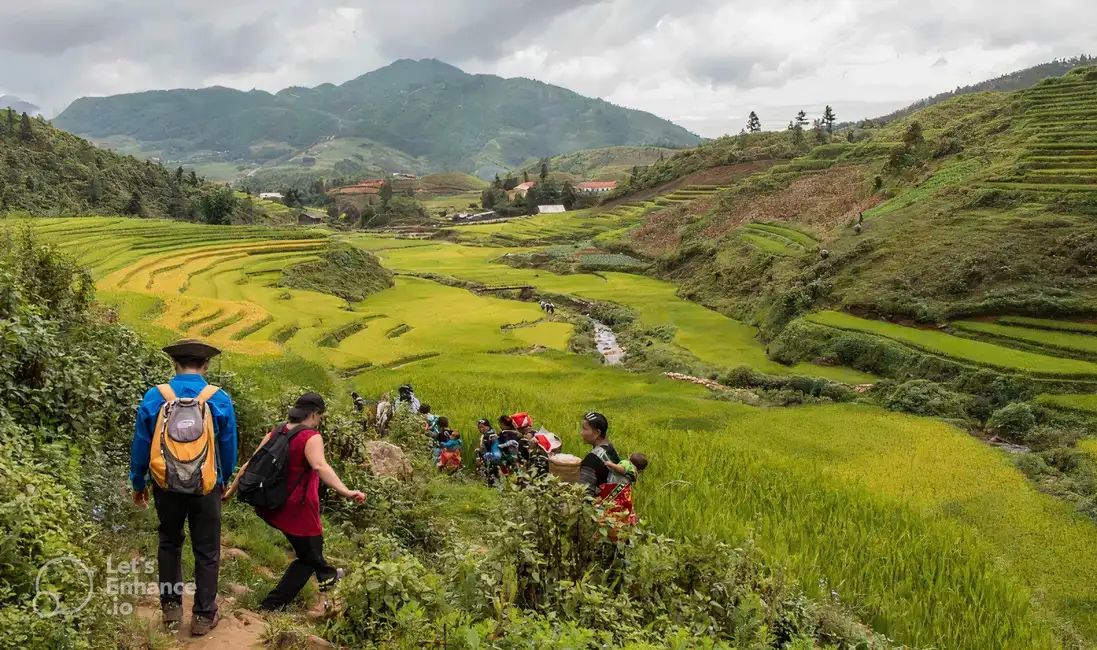
The next morning you walk narrow dikes between flooded terraces, boots squelching in clay as your guide names the varieties—nếp cái hoa vàng, a glutinous heirloom cultivated for festival rice wine, and tẻ bắc hương, chosen for drought tolerance at higher elevations. You pause at the Mâm Xôi viewpoint, where a wooden platform cantilevers over the valley and photographers queue for compositions that layer fifty discrete terrace bands into a single frame. By late afternoon you've descended to Chế Cu Nha, photographing the curved geometry of transplanted seedlings and the way waterlogged paddies mirror cumulus formations overhead. Evening returns you to the homestay, where dinner includes grilled stream fish, bamboo-steamed sticky rice, and bitter greens foraged from the forest margin—each dish served at a low table as the valley darkens and propane lanterns cast yellow circles across wood-plank walls.
The Mu Cang Chai Rice Terraces are open daily from 07:00–18:00.
Yes, there is a 20,000 VND conservation fee per person for access to scenic terrace areas.
For the best morning light and fewer crowds, arrive between 07:00–10:00.
The terrain consists of steep, uneven hiking trails and is not wheelchair accessible.
Yes, many operators provide a customized mu cang chai tour from hanoi to suit your specific interests.
While hiking is generally safe, hiring a local guide for your mu cang chai tour from hanoi is recommended for navigating trails.
Bring water, sturdy hiking shoes, and a rain jacket for your mu cang chai tour from hanoi.
The golden harvest usually occurs from mid-September to early October.
Yes, families are welcome, though the steep trails may be difficult for very young children during a mu cang chai tour from hanoi.
You can reach the area via a 7-hour car ride or an 8-9 hour bus trip from Hanoi for your mu cang chai tour from hanoi.