
English| EUR
Suggested for you
More currencies
Choose a language
Mu Cang Chai sits 280 kilometers northwest of Hanoi in Yen Bai Province, reachable by one primary mountain highway. The journey takes between six and seven hours under normal conditions, though weather, roadwork, and seasonal traffic can extend that window. Understanding the route helps you plan departure times and overnight stops.
Quick answer
The mu cang chai distance from hanoi measures 280 kilometers via National Route 32, translating to six to seven hours of driving under typical conditions. The route climbs through Yen Bai Province's mountainous terrain, with winding sections that slow average speeds. Heavy rain during monsoon months and increased tourist traffic in September can add an hour or more to the journey.
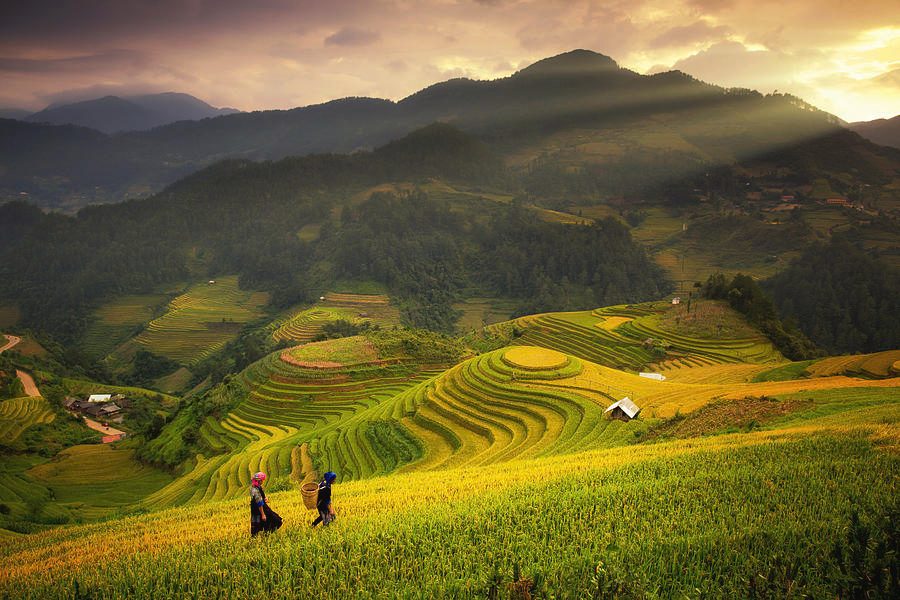
The 280-kilometer stretch between Hanoi and Mu Cang Chai follows National Route 32 through Phu Tho and into the highlands of Yen Bai Province. The first half of the route runs relatively flat through agricultural lowlands before the road begins its ascent past Nghia Lo town, where the terrain shifts to steep valleys and narrow switchbacks. Most travelers budget six to seven hours for the drive, though that figure assumes dry pavement and moderate traffic. The mu cang chai distance from hanoi is measured not just in kilometers but in elevation gain and road geometry. The highway climbs from Hanoi's Red River Delta at near sea level to Mu Cang Chai's terraced slopes at elevations approaching 1,000 meters, and the final 80 kilometers wind through sections where guardrails are sparse and passing lanes nonexistent. Drivers unfamiliar with mountain roads often add an extra hour to account for cautious speeds on blind curves. Fog is common in early morning and late afternoon during the wet months, reducing visibility to a few dozen meters on exposed ridges. Nghia Lo serves as the natural midpoint for rest and refueling, located roughly 160 kilometers from Hanoi and 120 kilometers before Mu Cang Chai's central district. Most tour operators schedule a breakfast or lunch stop here, and independent drivers use the town's petrol stations as a last reliable fill-up before entering the terraced zone. Beyond Nghia Lo, the landscape opens into the broad valleys and cascading rice paddies that define the region, though the road narrows and cell service becomes intermittent. Seasonal factors compress or stretch the mu cang chai distance from hanoi in practical terms. September, when the terraces turn gold before harvest, draws the highest visitor volume and the slowest convoy speeds through bottleneck sections. Landslides occasionally close portions of Route 32 during July and August's heaviest rains, forcing detours that add 30 to 50 kilometers. Winter months bring clearer skies and faster travel, though morning frost can make high-elevation curves slick until mid-morning. The journey is most predictable between October and April, when road maintenance crews complete repairs and weather patterns stabilize.
“The highway climbs from the Red River Delta to terraced slopes at elevations approaching 1,000 meters, and the final 80 kilometers wind through sections where guardrails are sparse and passing lanes nonexistent.”
Mu Cang Chai District in Yen Bai Province is located approximately 300 kilometers northwest of Hanoi. Accessing the region requires navigating mountainous terrain, typically via National Highway 32.
My Dinh Bus Station to Mu Cang Chai via National Highway 32
Private transfer via Noi Bai–Lao Cai Expressway and National Highway 32
To ensure optimal daylight for viewing and photography of the terraced fields, visitors should adhere to the best arrival window of 06:00–17:00.
Given the 280 km distance and six-hour drive from Hanoi, a two- to three-day itinerary allows you to experience the terraces without rush. This plan balances transit time with daylight viewing hours across the district's most accessible vantage points.
Leave early to reach Mu Cang Chai by early afternoon, accounting for rest stops along Highway 32.
Check into a local guesthouse, then walk to nearby terraces for late-afternoon light—golden hour around 16:30–17:30 delivers the best contrast.
Prepare for a full day of exploration; most homestays offer simple highland meals featuring local black rice.
Drive or motorbike to Che Cu Nha's panoramic overlook, then continue to Mam Xoi Hill—allow three to four hours to photograph and walk between viewpoints.
Explore the lower terraced zones on foot; trails are informal but passable, and you'll encounter farmers tending the fields during harvest season.
On your return route, stop at Khau Pha Pass (30 km south) for sweeping valley views before beginning the drive back to Hanoi.
Depart by midday to reach Hanoi by evening, completing the round trip within the daylight window.
The optimal time to visit Mu Cang Chai spans two distinct agricultural seasons, offering unique perspectives on the terraced landscape. Visitors should prioritize the best arrival window of 06:00–17:00 to maximize daylight for observation.
Cooler, 20°C–28°C
Farmers flood the fields for planting, creating mirrored surfaces across the terraces.
Mild, 18°C–26°C
The terraces turn golden as rice matures, marking the primary harvest activity.
—
Arriving between 06:00 and 09:00 provides quieter conditions and favorable lighting for photography.
Verdict: Plan your visit for mid-September to early October during the work week, arriving between 06:00 and 17:00 to witness the peak harvest colors.
The Mu Cang Chai rice terraces are located in Mu Cang Chai District, Yen Bai Province, and remain accessible to visitors at all times throughout the week. While the area is open daily, travelers should plan their arrival to coincide with daylight hours for optimal viewing.
Everything you need to know about mu cang chai distance from hanoi
The distance between Hanoi and Mu Cang Chai is approximately 280 to 300 kilometers, depending on your chosen route through the Yen Bai province. Navigating these highland roads requires careful planning due to the mountainous terrain.
Traveling the mu cang chai distance from hanoi typically takes between 7 to 9 hours by car or bus. The duration depends heavily on traffic conditions and the frequent stops required on winding mountain passes.
There is no centralized gate fee for visiting the district's terrace areas. You can explore the landscape freely without needing an entrance ticket.
To make the most of your trip, aim for the arrival window of 06:00–17:00. This timing provides optimal daylight for viewing and photography of the terraced fields.
Yes, the area is open Monday through Sunday, 00:00–23:59. You are welcome to visit the region at your own pace throughout the week.
Most travelers cover the mu cang chai distance from hanoi by booking a private car or taking a local bus from My Dinh station. Ensure your transport provider is experienced with navigating steep, narrow mountain roads.
Families should consider the length of the journey when planning. The time spent on the road can be significant, so preparing for a full day of transit is advisable for those with younger children.