24 hr
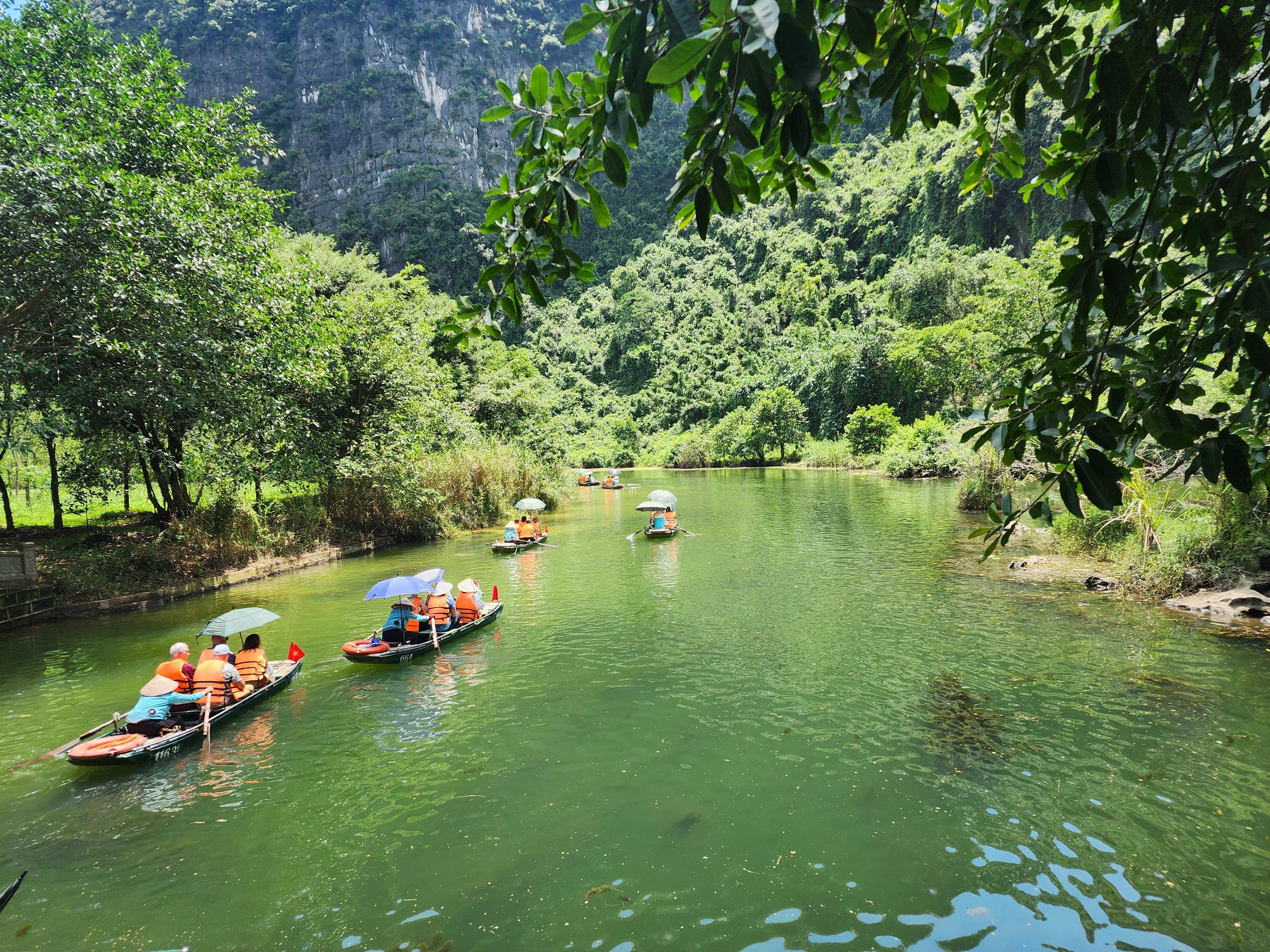
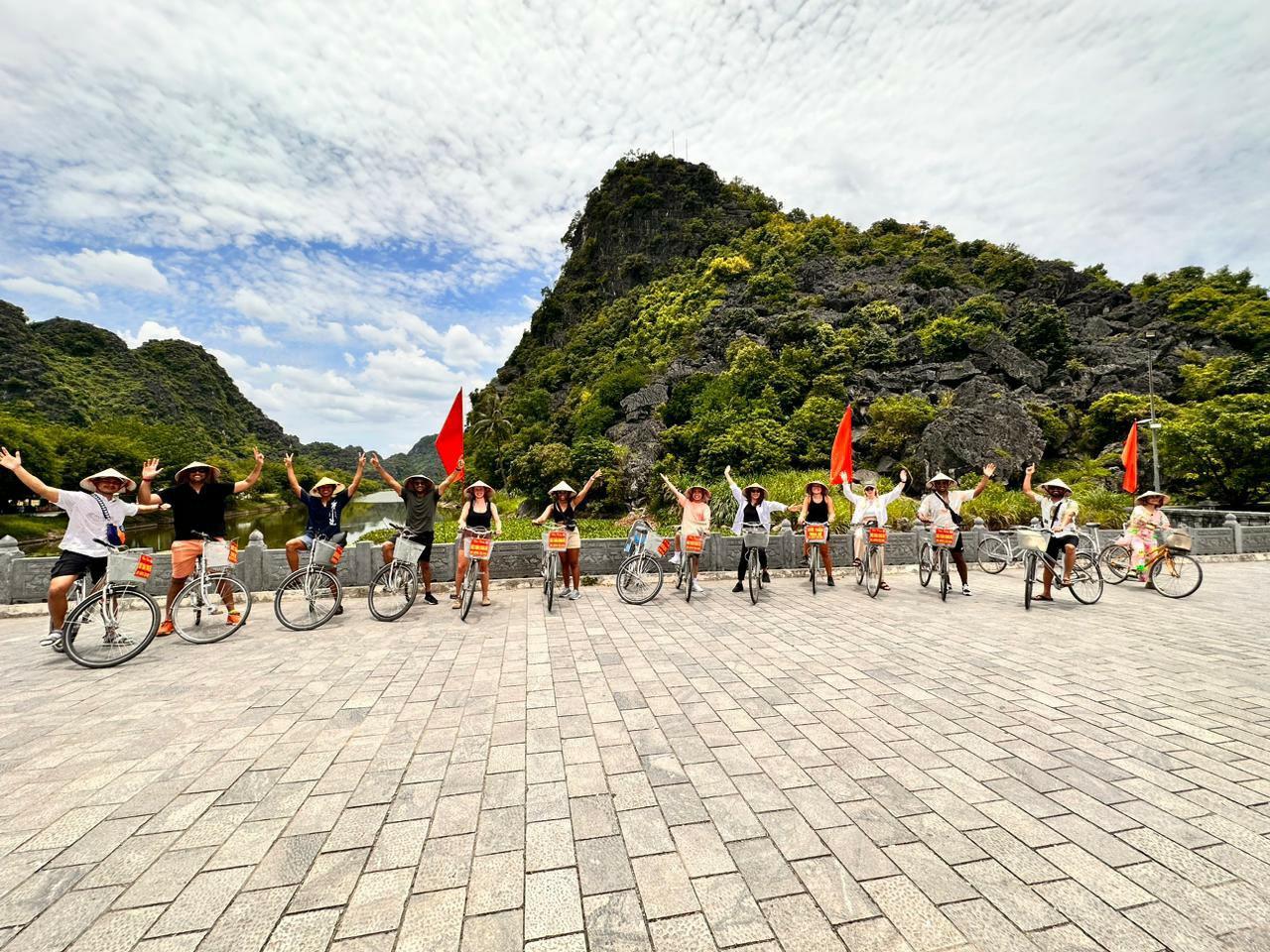
Ninh Binh Day Tour: Trang An Boat Trip, Mua Cave Hike & Temple Visit
Full-day escape from Hanoi featuring limestone grottoes, emerald valleys, and your choice of temple or cycling adventure
Reserve
Hand-picked by our editors — only the best 2 sleeper routes from 14 reviewed.
Verified partners for every tour, free cancellation where available, and instant confirmation on every booking.
24 hr
Full-day escape from Hanoi featuring limestone grottoes, emerald valleys, and your choice of temple or cycling adventure
Reserve
13 hr
Discover Vietnam's ancient capital, glide through limestone grottoes by bamboo boat, and climb for jaw-dropping valley views
Reserve
2 hr 30 min
Direct expressway shuttle linking Hanoi's Old Quarter with Halong Bay's cruise ports in comfort.
ReservePrices from verified partners. Availability updates in real time at checkout. Free cancellation policies apply where shown.
The landmarks, rooms, and views travelers on this tour remember — all visible on a single visit.
A circular terraced peak that creates a distinct, photographable pattern against the hillside. This site is widely recognized as the most iconic landmark in the district.
One of the longest and steepest mountain passes in Vietnam, offering panoramic vistas. It serves as a vital transit point for those using a hanoi to mu cang chai bus.
These extensive terraces are officially recognized as a national heritage site. The scale of the rice cultivation here reaches thousands of hectares.
Known for their high elevation and challenging accessibility, these terraces provide an authentic glimpse into Hmong farming life. The steep incline makes for a dramatic visual landscape.
A picturesque village located at the foot of the mountains, perfect for observing rural life. It is often a stop for travelers on a hanoi to mu cang chai bus tour.
Mu Cang Chai offers an untouched landscape for those seeking solitude, whereas Sapa provides a more established tourism environment; most travelers who visit both find the former more culturally raw while the latter excels in convenience. Choosing the right hanoi to mu cang chai bus tickets depends on whether your priority is rugged exploration or amenities.
| Feature | Top pick Mu Cang Chai | Sapa |
|---|---|---|
Accessibility from Hanoi |
7-9 hours by road | 5-6 hours by road or rail |
Tourist infrastructure |
Basic guesthouses and homestays | Extensive hotels and mountain resorts |
Authenticity of terraced landscapes |
High—primarily agricultural | Moderate—highly commercialized |
Trekking difficulty |
High—steep and unpaved trails | Moderate—varied paths for all levels |
Crowd density |
Low—remote and quiet | High—peak tourist traffic |
Traveler focus |
Photography and slow travel | Culture and group excursions |
| See tickets → |
Verdict: If you prioritize photography, look into hanoi to mu cang chai bus tours for a deeper encounter with mountain agriculture, while Sapa remains the better choice for those requiring hanoi to mu cang chai bus tour logistics paired with luxury mountain lodges.
Choose your ticket, select your date, and reserve in under two minutes. Secure checkout handled by our verified partner.
Instant confirmation by email, with a mobile voucher you can save offline. No printing, no queuing at a collection desk.
Arrive at the entrance, show your voucher on your phone, and walk in. Most tickets include priority or skip-the-line access.
Practical details for your visit straight from our verified partners — hours, access, rules, and how to get there.
Hanoi, Vietnam
Main hub for regional transport
Take a dedicated hanoi to mu cang chai bus from My Dinh station.
Hire a private driver for flexible hanoi to mu cang chai bus tours.
Dress in layers to account for rapid temperature changes in the highlands. Sturdy, closed-toe hiking shoes are recommended for walking through the rice paddies.
Travel light when taking a hanoi to mu cang chai bus tour, as space for large luggage is limited on local transport. Ensure all valuables remain with you during transit.
The best light for photography is during the early morning hours, as noted in the best arrival window of 05:00–08:00. Respect local Hmong villagers when taking portraits or photos of private property.
Terrace paths are unpaved, steep, and uneven, making them difficult for visitors with limited mobility. Accessible viewing points are primarily limited to the roadside locations along the hanoi to mu cang chai bus route.
Mobile reception can be inconsistent in deep valleys. Download offline maps before beginning your journey.
Families should supervise children closely near terrace edges and on narrow paths. A hanoi to mu cang chai bus trip is long, so bring necessary snacks and entertainment for younger travelers.
Local food stalls offer simple Hmong cuisine and water near main viewpoints. Carry sufficient hydration, especially if you plan on trekking between terrace clusters.
Pets are generally not permitted on group bus transport. Check with specific operators if traveling privately.
The hanoi to mu cang chai bus provides the most direct link to this UNESCO-nominated region. Expect winding mountain roads that may trigger motion sickness for sensitive passengers.
Best time to go, insider tips, nearby landmarks, and the cancellation fine print — flip through to skim what matters to you.
How crowds, weather, and events shift across the year.
Mild weather with budding greenery for early photography.
August brings heavy rains and lush, green landscapes.
The peak harvest season for golden rice fields.
Late harvest transition before the winter dormancy.
Small details that turn a good visit into a great one.
Reserve your hanoi to mu cang chai bus tickets at least one week in advance during peak harvest season.
Take preventative measures as the mountain roads contain many sharp turns.
Monitor local forecasts, as high-altitude rain can obscure views.
Carry cash in small denominations for local services.
Consider hiring a local guide to navigate the complex terrace trails.
Non-bookable sights within a short walk — free to visit, easy to pair.
Iconic circular terrace formation shaped like a round sticky rice tray.
One of the four great mountain passes of Northwest Vietnam with expansive views.
Known for hot springs and traditional rice production methods.
Flexible, no hidden fees.
Cancellation of your hanoi to mu cang chai bus tickets must be requested 24 hours in advance for a partial refund. All bookings are subject to the operator's specific terms regarding the 20,000 VND conservation fee.
Hand-picked options within walking distance — pick a district for vibe, or a specific hotel for convenience.
Sustainable accommodation overlooking the valley.
Authentic village stays with Hmong families.
Convenient access to bus drop-off points.
The 280-kilometer corridor from Hanoi to Mu Cang Chai follows Highway 32 through Yen Bai Province, climbing from the Red River Delta to the terraced highlands at 1,200 meters. The route was paved in full by 2016, reducing the journey from nine hours to six, though seasonal fog and landslide repairs still add unpredictability during the monsoon months of July and August. Most overnight services depart My Dinh Bus Station between 21:00 and 23:00, arriving at Mu Cang Chai town by dawn. The northwest bus corridor serves harvest-season tourism and year-round agricultural trade, carrying seed stock, fertilizer, and woven textiles alongside travelers. VIP sleeper cabins — introduced on this route in 2019 — feature reclining berths, individual air-conditioning vents, and USB charging ports, a marked departure from the wooden-bench coaches that dominated highland transport until the early 2000s. Standard seated buses remain the budget option, priced around 200,000 VND, though the lack of suspension upgrades makes the six-hour journey uncomfortable on the switchback sections near Khau Pha Pass. Mu Cang Chai District became a photography pilgrimage site after its terraced paddies earned national heritage recognition in 2007. The town itself — a single-street settlement of guesthouses, pho kitchens, and motorbike rental shops — functions as a staging post rather than a destination. Most visitors transfer immediately to rented bikes or pre-arranged jeep tours to reach the terrace viewpoints at La Pan Tan, Che Cu Nha, and Ze Xu Phinh, none of which are accessible by public bus. The conservation fee of 20,000 VND is collected at roadside checkpoints rather than at a central gate, and enforcement remains inconsistent. Booking a Hanoi to Mu Cang Chai bus ticket in advance is now standard practice during the September-October harvest window, when weekend seats sell out three days ahead. Off-season travel — November through May — rarely requires reservations, though services may reduce to a single daily departure. The return journey from Mu Cang Chai to Hanoi follows the same schedule in reverse, with most buses departing between 14:00 and 16:00 to avoid night driving on the mountain sections. Operators include Hung Thanh, Sao Viet, and regional cooperatives, each running a mix of sleeper and seated inventory.

"The 280-kilometer corridor climbs from the Red River Delta to terraced highlands at 1,200 meters, a six-hour ascent through Yen Bai's fog-bound passes."
A step-by-step walkthrough of the visit — what you'll see, how long each stage takes, and the details that matter.
You board at My Dinh's Platform 27 after 22:00, stowing your pack in the overhead net while the driver collects printed vouchers under fluorescent strip lighting. The VIP sleeper cabin is a narrow berth with a vinyl curtain, pillow sealed in plastic, and a single wool blanket folded at the foot. You climb in, adjust the air vent to medium, and plug your phone into the USB port as the bus pulls into Hanoi's late-night traffic. By midnight you're past Viet Tri, the highway narrowing to two lanes as the delta gives way to foothills. You wake intermittently — once at a fuel stop in Yen Bai town, again when the bus slows for a livestock crossing near Khau Pha Pass. The switchbacks are audible: the grind of low gear, the hiss of air brakes, the rattle of loose paneling. At 05:30 you feel the bus level out and decelerate, and through the curtain gap you see the silhouette of terraced slopes against a pale sky. The driver announces Mu Cang Chai over the PA system. You collect your bag, step down onto gravel, and the air is ten degrees cooler than Hanoi, smelling of wet earth and wood smoke.
The Mu Cang Chai Rice Terraces are open 00:00–23:59 daily.
Yes, an entrance fee of 20,000 VND (conservation fee, per person) is required.
Yes, hanoi to mu cang chai bus tickets can be booked through authorized tour operators online.
The best arrival window is 05:00–08:00 for optimal morning light.
Space on the hanoi to mu cang chai bus is limited; keep luggage to a manageable size.
Accessibility is low due to steep, unpaved terrain throughout the terraces.
It is recommended to secure your hanoi to mu cang chai bus tour at least a week before travel.
Do not bring drones, alcohol, or open flames into the protected terrace zones.
You can easily combine your trip with visits to the Khau Pha Pass nearby.
Cancellations for your hanoi to mu cang chai bus must be processed 24 hours prior to travel.