
72 hr
Mù Cang Chải 3-Day Private Trek & Motorbike Adventure
Explore terraced rice valleys, stay with a H'mong family, and ride mountain ridges on this immersive highland escape
Reserve
Cascading emerald slopes, highland air, a world beyond the capital's reach
Hand-picked by our editors — the best 5 highland adventures from 47 reviewed
Verified partners for every tour, free cancellation where available, and instant confirmation on every booking.
72 hr
Explore terraced rice valleys, stay with a H'mong family, and ride mountain ridges on this immersive highland escape
Reserve
72 hr
Trek rice terraces, stay with local families, and explore remote villages with minority guides
Reserve
24 hr
Journey into Vietnam's remote countryside for terraced paddies, stilt house visits, and cultural immersion
ReservePrices from verified partners. Availability updates in real time at checkout. Free cancellation policies apply where shown.
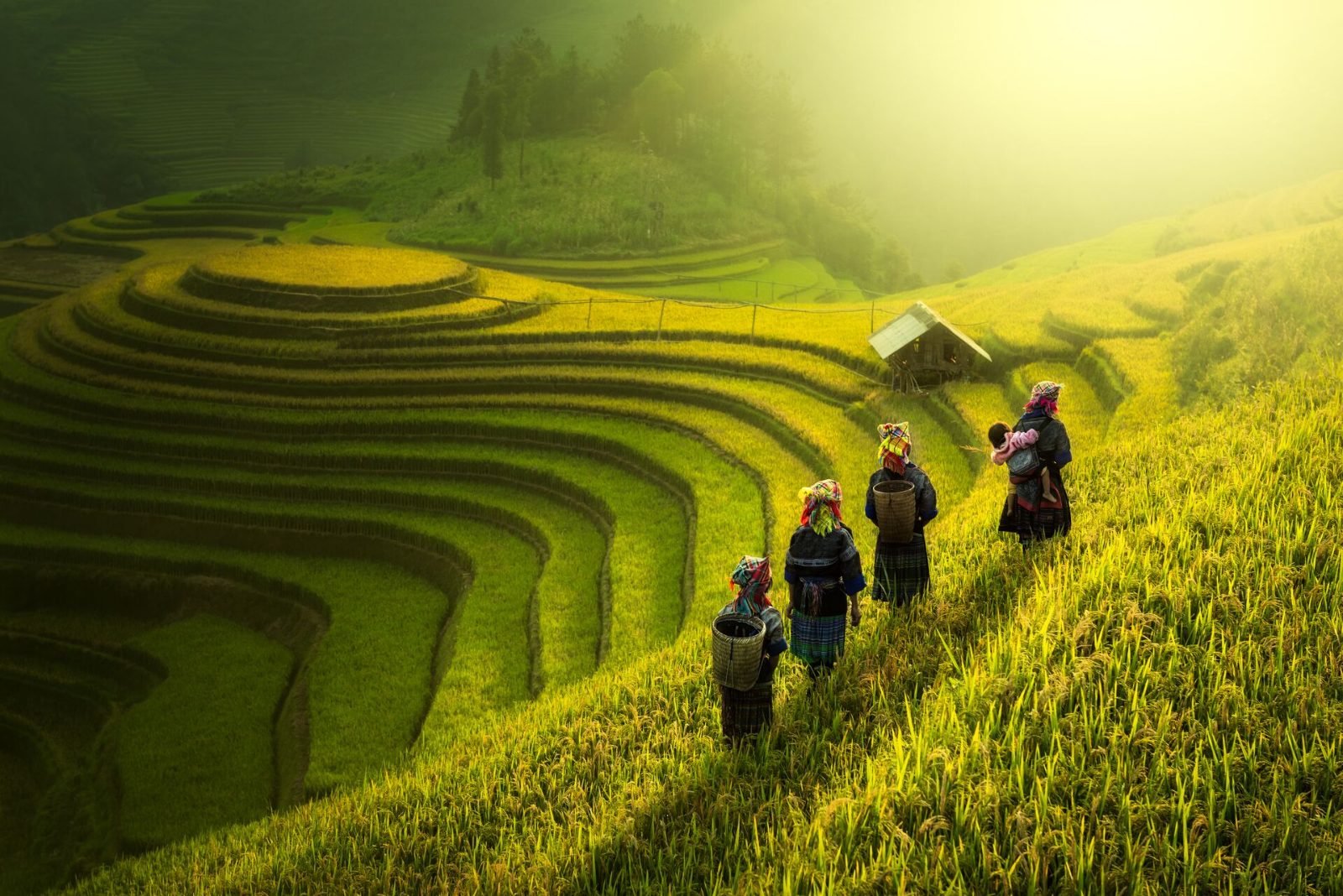
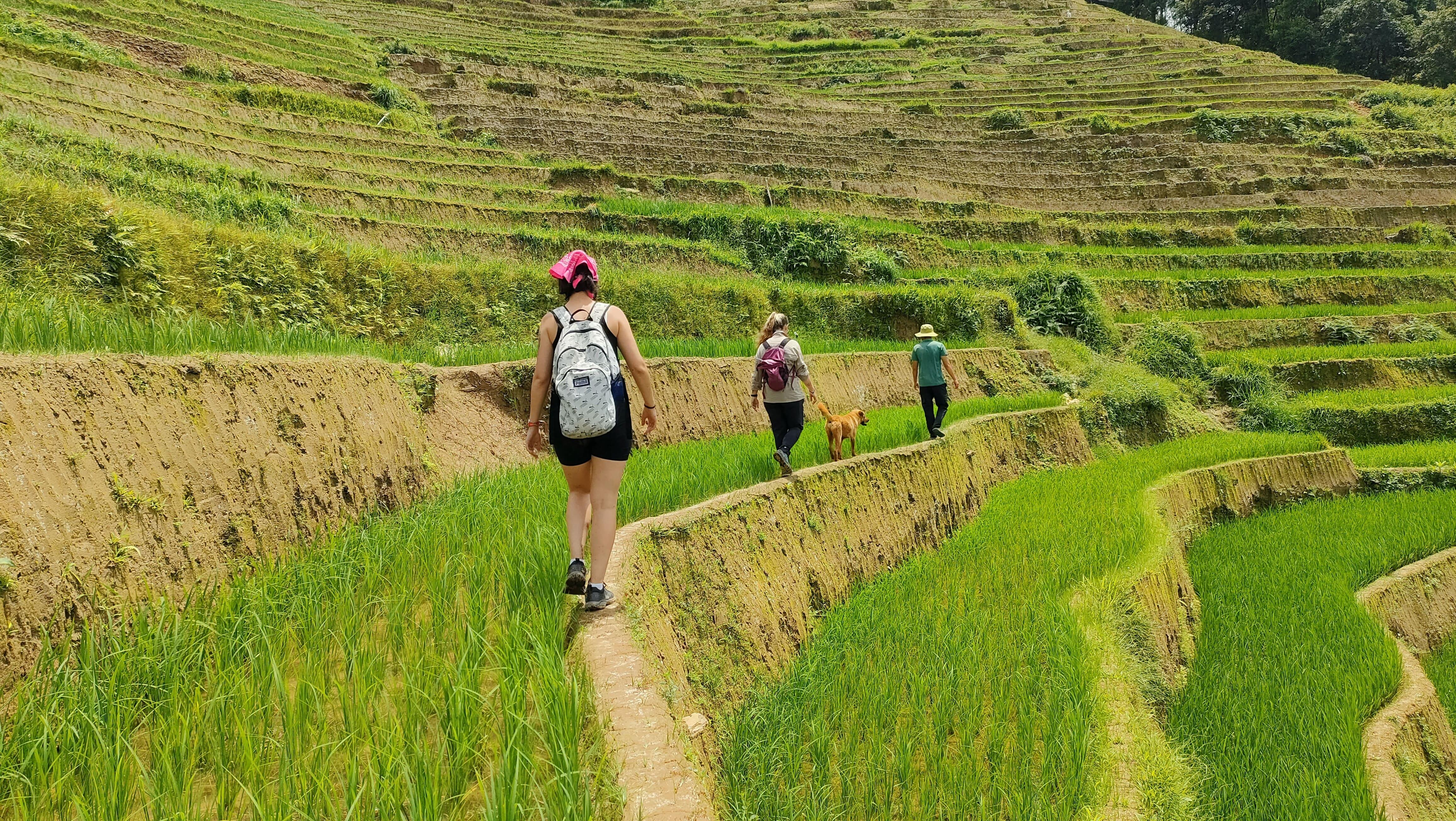
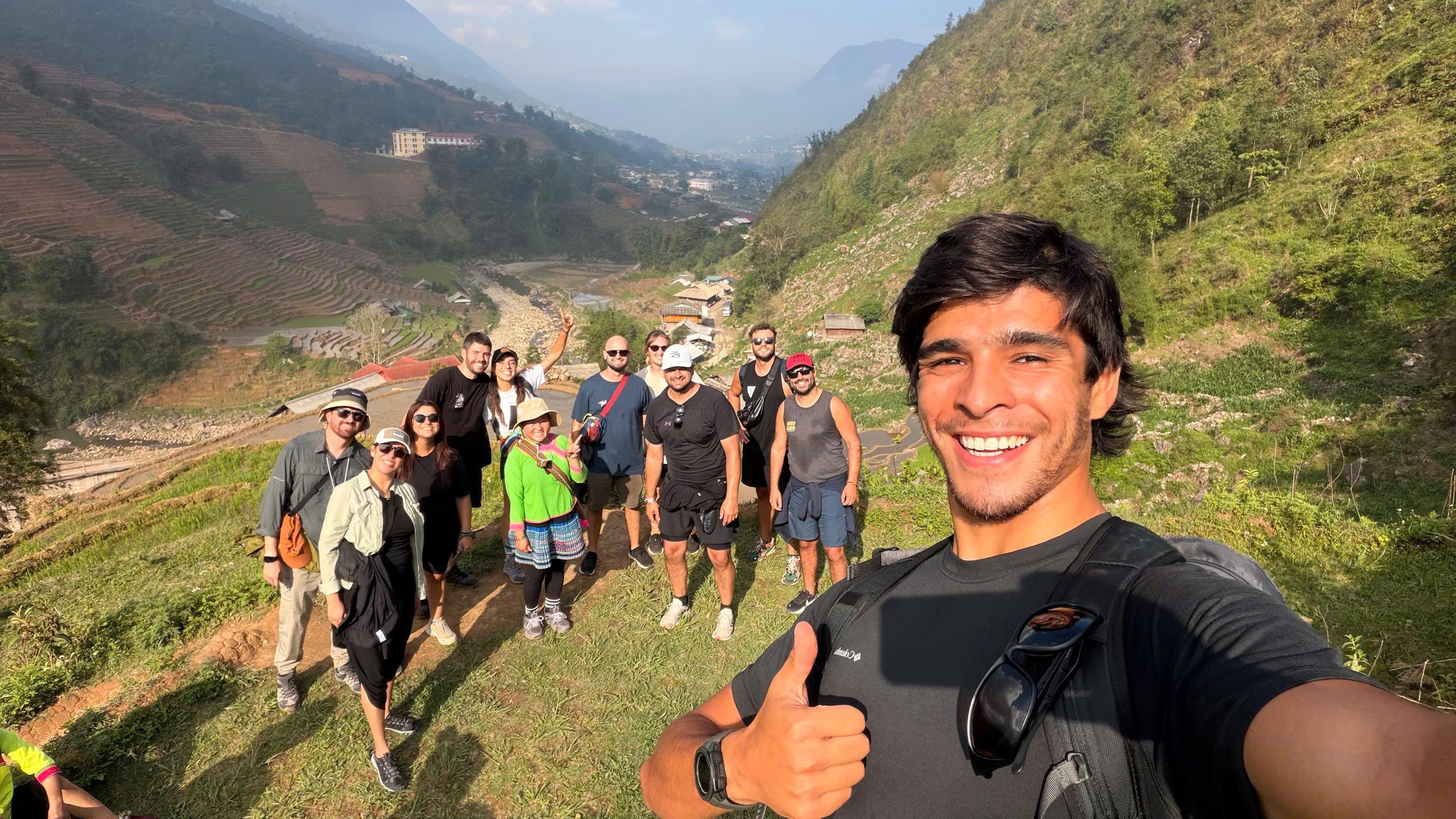
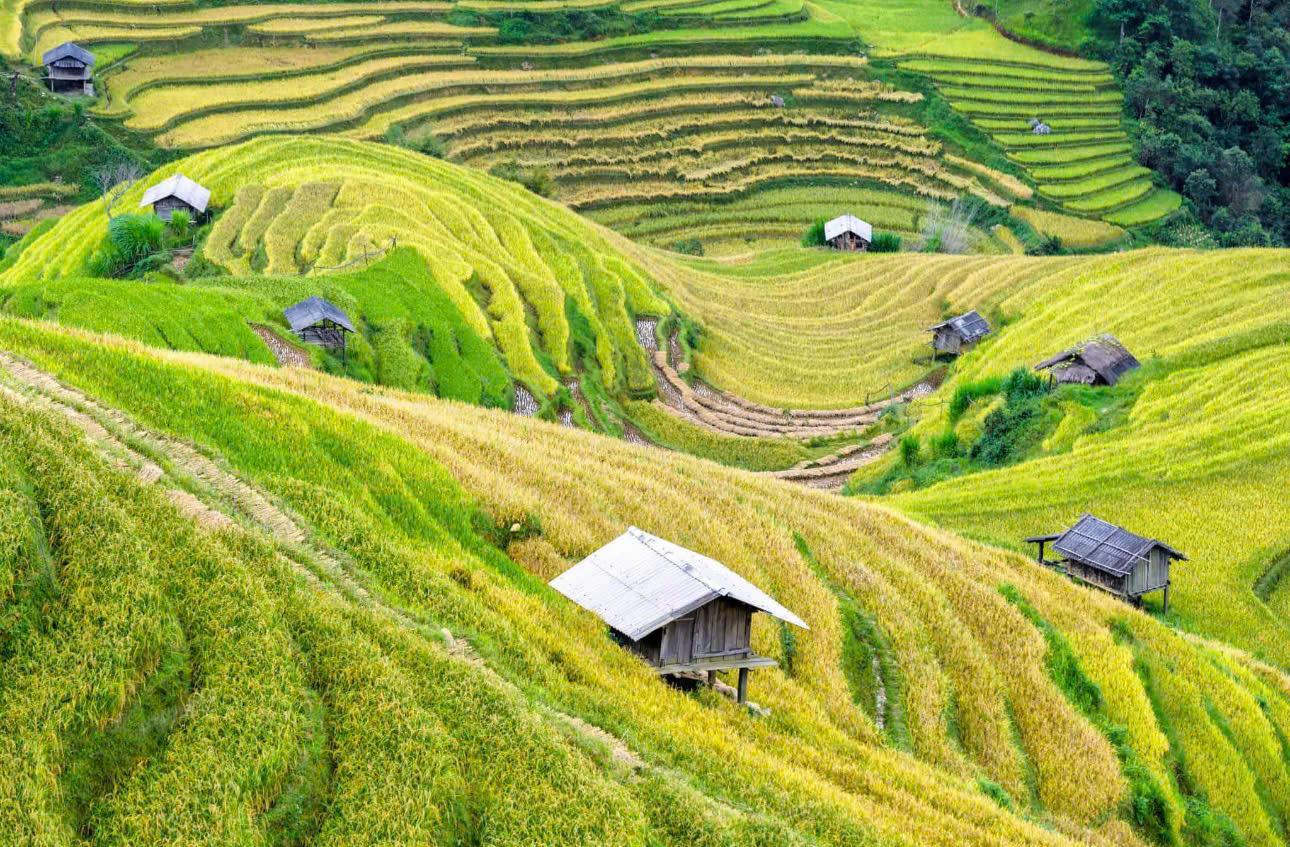
The landmarks, rooms, and views travelers on this tour remember — all visible on a single visit.
These hills feature the highest density of rice terraces in the district, often called the raspberry hills due to their circular shape. They were recognized as a national site in 2007.
As one of the four great passes of Northern Vietnam, it stretches over 30 kilometers and reaches elevations of 1,200 meters. The pass offers vast views of the valley floor during your mu cang chai day trip from hanoi.
This village is home to the Hmong people and offers a glimpse into traditional agricultural lifestyles. It is positioned at the base of the mountain, surrounded by ancient terraced fields.
They complement each other, but travelers seeking a remote journey through Hmong ethnic lands often find a mu cang chai day trip from hanoi to be the more raw, unfiltered experience. Most visitors who prioritize accessibility and amenities choose Sapa rice terraces as their primary mountain base.
| Feature | Top pick Mu Cang Chai | Sapa |
|---|---|---|
Travel distance from Hanoi |
300 km (7-8 hours) | 320 km (5-6 hours) |
Tourist infrastructure level |
Minimal and rustic | Highly developed with hotels |
Crowd density |
Very low | High during peak season |
Trekking difficulty |
Moderate to strenuous | Easily customizable paths |
Authenticity of village life |
High, traditional practices | Moderate, tourism-integrated |
Average 1-day travel cost |
High (private charter focus) | Low (shared group tours) |
| See tickets → |
Verdict: Choose the mu cang chai day trip from hanoi tour for secluded landscape photography, or book Sapa rice terraces tours if you prefer integrated mountain resort facilities and easy trail access.
Choose your ticket, select your date, and reserve in under two minutes. Secure checkout handled by our verified partner.
Instant confirmation by email, with a mobile voucher you can save offline. No printing, no queuing at a collection desk.
Arrive at the entrance, show your voucher on your phone, and walk in. Most tickets include priority or skip-the-line access.
Best time to go, insider tips, nearby landmarks, and the cancellation fine print — flip through to skim what matters to you.
How crowds, weather, and events shift across the year.
The peak harvest season when terraces turn golden yellow.
A quiet post-harvest month with cooler temperatures.
The watering season, perfect for reflective photography.
Lush green foliage covering the mountain slopes.
Small details that turn a good visit into a great one.
Depart Hanoi by 06:00 to maximize daylight hours for photography.
Mountain conditions change rapidly; carry rain protection for your mu cang chai day trip from hanoi.
Hire a local guide to find the best trails in the Mu Cang Chai Rice Terraces.
Always ask for permission before entering private terrace fields.
High altitudes can be dehydrating during your mu cang chai day trip from hanoi.
Non-bookable sights within a short walk — free to visit, easy to pair.
One of the most challenging mountain passes in Vietnam with views over the valley
A traditional Hmong settlement nestled among the hills
Site of the most iconic terraced fields in the region
Flexible, no hidden fees.
As the region has 0 VND entrance fees, no formal cancellation policy applies to entry. For a mu cang chai day trip from hanoi tour, refer to your specific operator's booking terms.
Hand-picked options within walking distance — pick a district for vibe, or a specific hotel for convenience.
Central area with guesthouses and local homestays
Comfortable lodges often used by those on a mu cang chai day trip from hanoi
The terraces of Mu Cang Chai climb 1,000 metres above sea level across three communes in Yen Bai Province, carved into slopes so steep that every paddy required hand-built stone retaining walls. Hmong farmers began shaping the land in the late eighteenth century, flooding narrow shelves each spring and planting glutinous rice varieties adapted to the thin highland soil. By harvest season the terraces glow gold against forested ridges, a pattern visible from passes along National Route 32 that winds through the district. The landscape earned recognition on the national heritage register in 2007, and September festivals now draw photographers from Hanoi and beyond to document the transition from green to amber. Mu Cang Chai lies 280 kilometres northwest of Hanoi, a six-hour drive through the Red River Delta and into the Hoang Lien Son range. The district remains one of the poorest in Vietnam, with subsistence farming the dominant livelihood and fewer than 40,000 residents spread across valleys that see frost in January. Road improvements completed in 2015 opened the region to motorbike tourism, and guesthouses in Mam Xoi and La Pan Tan now offer basic lodging for trekkers who walk between villages along dirt tracks that follow irrigation channels. The terraces themselves are working fields, not a park, and access remains free throughout the year. Individual viewpoints along the main highway may charge nominal parking fees, but the slopes are continuous and photographers move freely between vantage points. The rice cycle dictates what visitors see. Water fills the paddies from late April through June, creating mirror surfaces that reflect cloud and sky. July and August bring dense green growth, and by late September the grain ripens into waves of gold that last until the October harvest. Winter reveals the terraces' geometric precision, each stone wall tracing a contour line across the mountainside. Hmong and Thai minority villages dot the valleys, and markets in the district capital sell indigo-dyed textiles and corn liquor in recycled plastic bottles. The region sees few foreign visitors outside peak autumn weeks, and most who make a mu cang chai day trip from hanoi extend the journey into a multi-day loop through Sapa or the northern highlands, where similar terrace systems stretch across the border into Lao Cai Province.
"By harvest season the terraces glow gold against forested ridges, a pattern visible from passes along National Route 32 that winds through the district."
Yes, a 1-day excursion is possible though it involves significant travel time from Hanoi.
Book your mu cang chai day trip from hanoi tours at least 2 weeks in advance during the September harvest season.
Dress modestly and wear comfortable walking shoes suitable for the Mu Cang Chai Rice Terraces.
Food is available in town, but we advise bringing supplies for your mu cang chai day trip from hanoi.
Yes, photography is permitted. Please respect the local Mu Cang Chai Rice Terraces residents when taking photos.
Refer to the specific operator guidelines provided with your mu cang chai day trip from hanoi tickets.
Yes, though the rugged terrain of the Mu Cang Chai Rice Terraces requires constant supervision.